I first ran the NYC Marathon in November of 2017, and after crossing the finish line of this iconic race, I was hooked. Not only on the distance (pure pain and accomplishment) but the people of NYC. There is a moment on the Queensboro Bridge when, after hearing only footsteps on concrete for a mile, you hear the roar of the crowd ahead, and the moment after you cross the 16 mile mark and turn the corner to exit the bridge to thousands lining First Ave, that moment lingers long after the DOMS sets in.
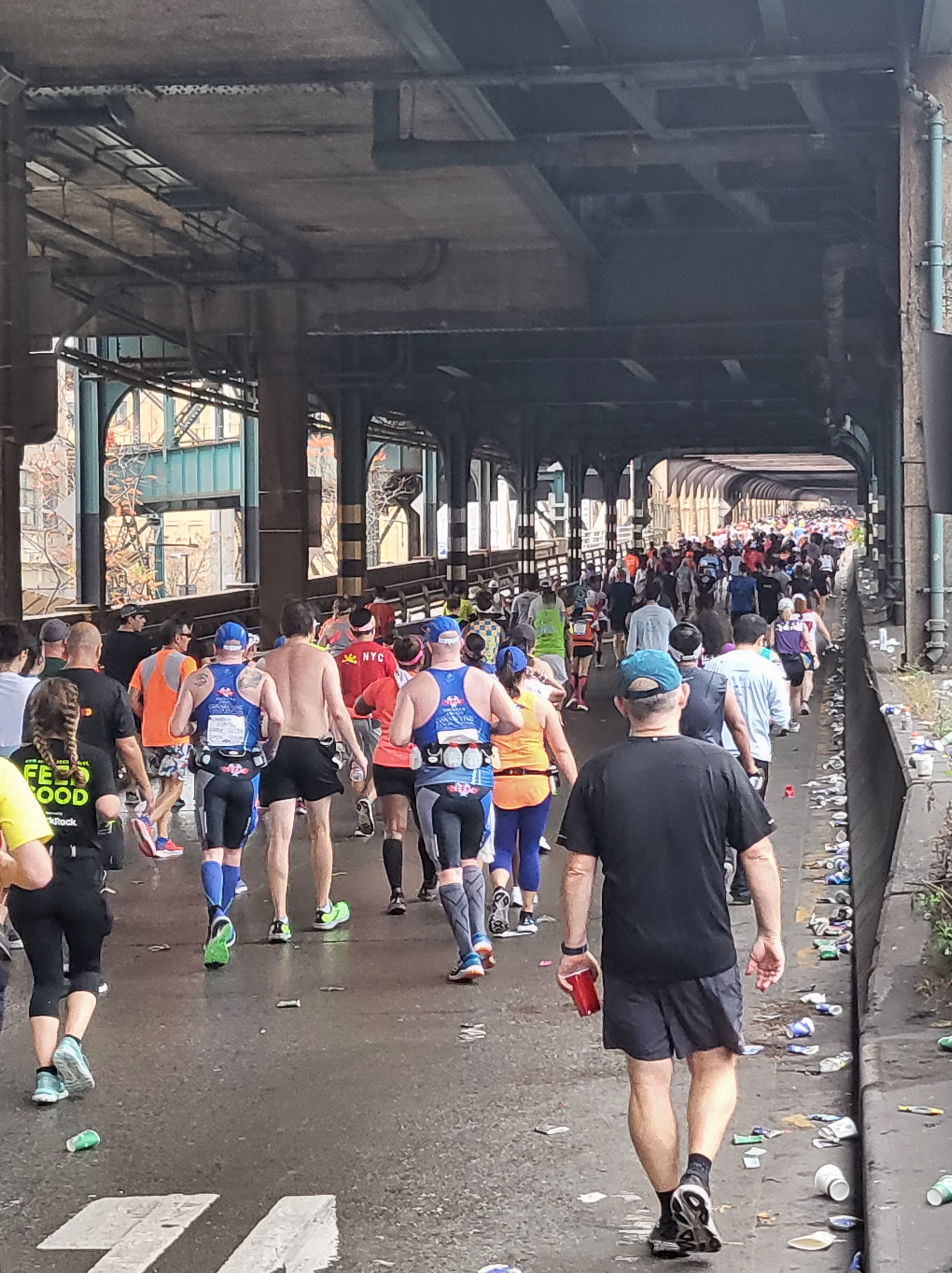
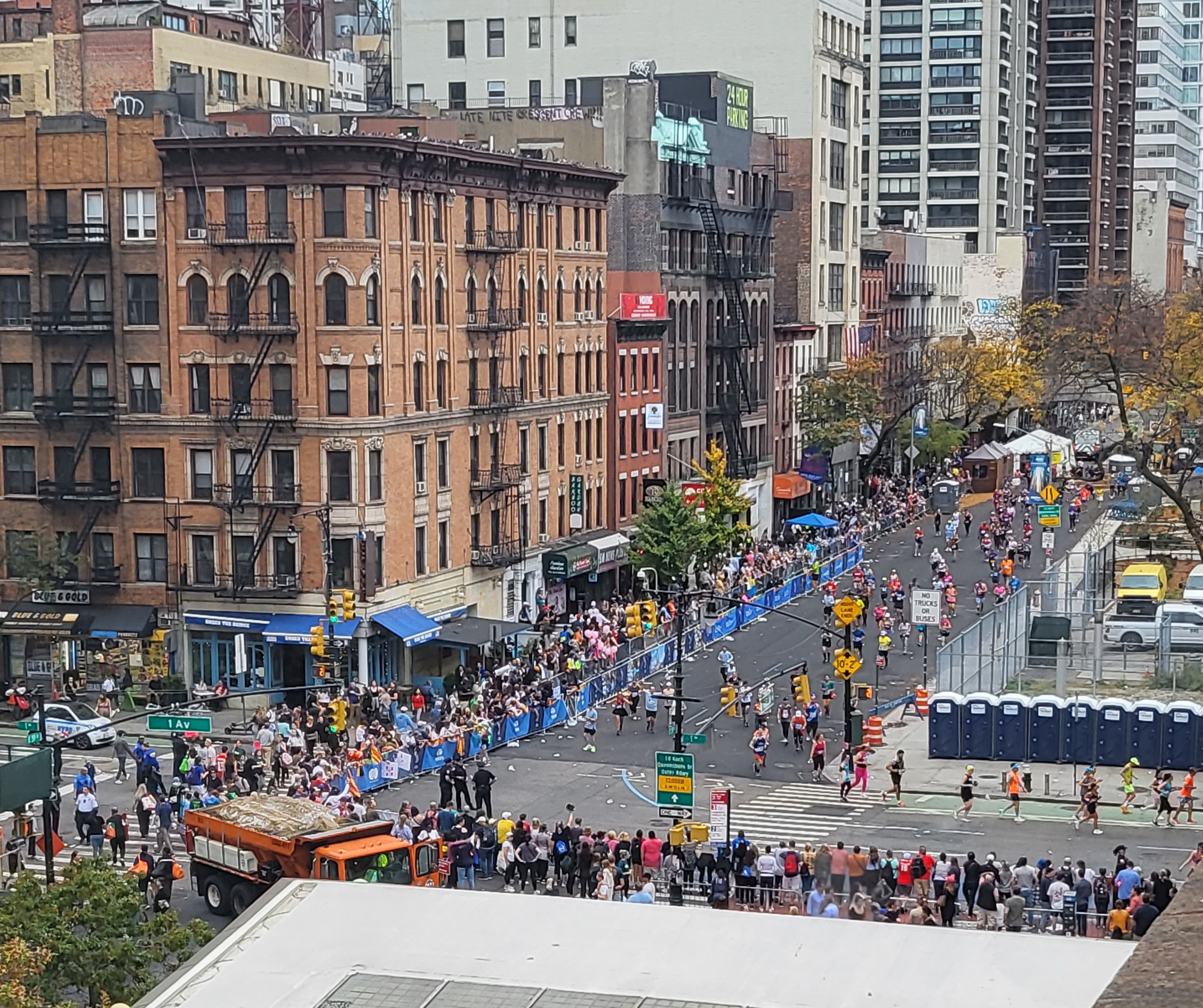

I return to NY yearly, earning my entry via the 9+1 program (NYRR.org) by volunteering at one and running nine of their races over the course of a calendar year. This is by far my favorite marathon, despite how hard it is to get to the start (and finish!) and I keep signing up for it year after year. But running a marathon the first Sunday of November means that training begins in mid June to early July, the warmest, stickiest, buggiest part of the year in New England. It is ideal for my teaching schedule as I will be able to get in a few 18 to 20 mile runs before the school year absconds my free time and life, but not ideal weather when temps escalate and the bugs seek to destroy my peace of mind as well as my sweet smelling (to them) skin.
Yesterday’s long run did not go so well, and I am struggling with that familiar feeling of doubt that usually creeps in about this time of year. How am I going to run 26.2 if a ten mile training run is so difficult? Looking back at yesterday’s dumpster fire I can pinpoint mistakes that I made. First, I did not hydrate sufficiently, foregoing my handheld water bottle and relying on hourly stops at home for water and electrolytes. Second I did not give myself grace as the humidity was approximately 89% and the dewpoint was 73. I focused on what was not, rather than what was. I finished the run with very few walk breaks, but it took me much longer than anticipated. I ran through the blanket of gnats and the water logged air and questioned my sanity. How would next weeks’ even longer long run go if this one was a slog? Marathon training is not made up of a single run, but 16 to 20 weeks of single runs. They all won’t be glorious examples of the capacity of the human body to transcend difficulty. I am a 51 year old perimenopausal woman marathon training despite my constant desire to just fill my days with naps and books. Yesterday I learned to take the handheld no matter the distance and I was able to nap away my disappointment and run again this morning. Tomorrow is a brand new day, maybe my run will feel easy, maybe it won’t. I am doing it anyways. That is what marathon training has taught me, that consistency over time yields results, and that each day holds a new adventure.

 Laura Smith Writer
Leave a comment